How Wall Damage Affects Interior Painting Costs in Brownsburg, IN
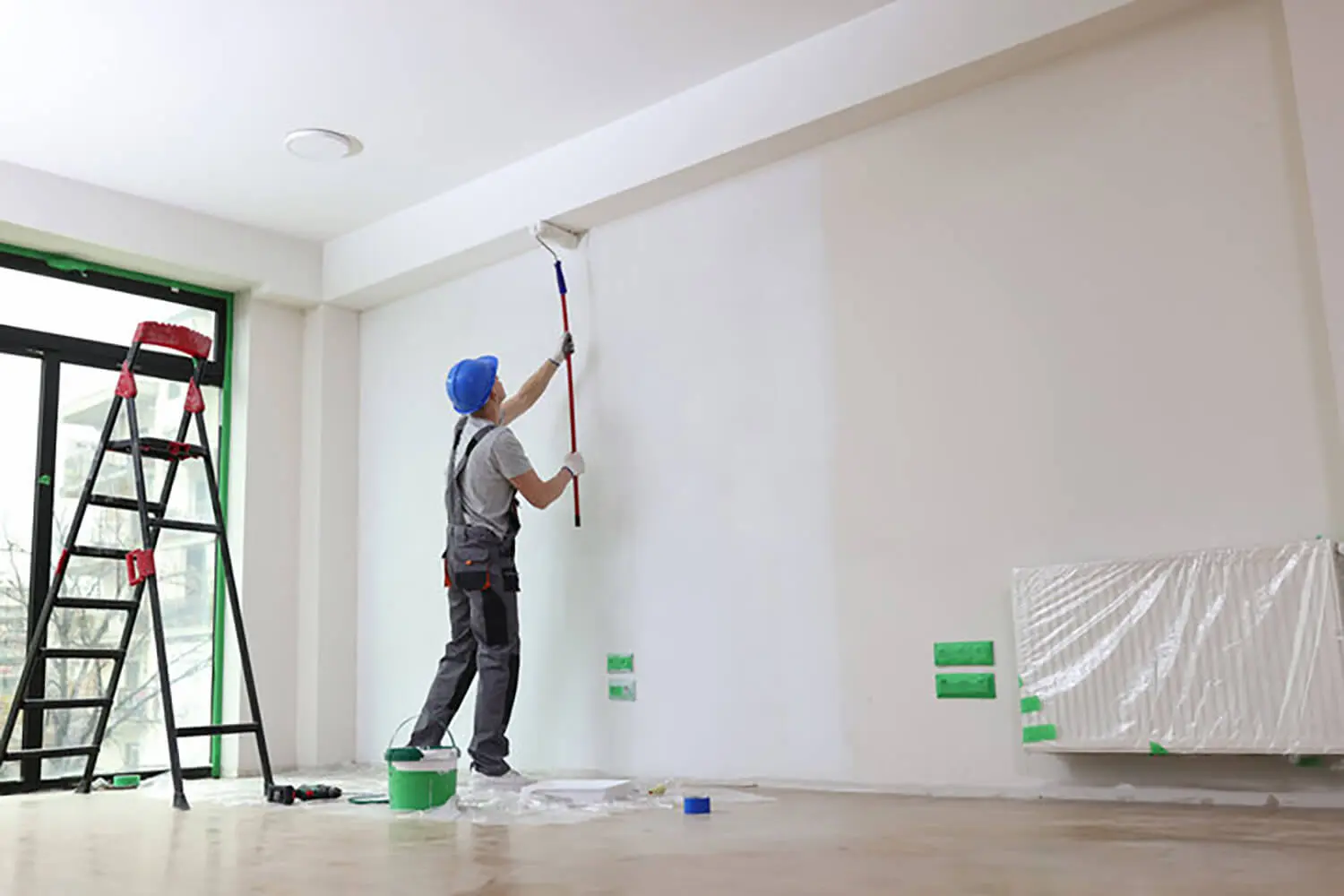
Most homeowners think about square footage and color when they budget for an interior painting project. Wall condition is rarely part of that conversation until the estimate arrives and the number is higher than expected.
That gap between expectation and reality usually comes down to one thing: the walls needed more work than the homeowner anticipated before a single drop of paint could go on.
Understanding how wall damage affects interior painting costs gives you a clearer picture of what you are being quoted, why the number looks the way it does, and what to ask before you commit to a contractor.
Why Wall Condition Is a Pricing Variable
Wall damage does not add a fixed fee to an interior painting estimate. It changes the scope of the project.
A painter prices two categories of work: applying paint and preparing the surface to receive it. When walls are in good condition, prep is straightforward. When walls are damaged, prep can represent a significant portion of the total project cost.
Two homes with identical square footage can carry very different estimates depending on the condition of the walls. The cost of the paint itself may be exactly the same. The prep cost is where the difference lives.
Types of Wall Damage That Affect Interior Painting Estimates
Most interior painting projects involve at least some wall damage. Here is what each type typically means for the scope and cost of a project.
Drywall Holes and Structural Punctures
Holes are among the most common damage types found during a painting assessment. They range from small nail and anchor holes to larger punctures from doorknobs, removed fixtures, or accidental impact.
The size and quantity of holes both affect cost:
- Small holes require filling, drying, and sanding before the surface is ready
- Medium holes need backing support, multiple compound coats, and texture matching
- Large holes require a structured patch that rebuilds the wall surface before any finishing work begins
A room with twenty small holes takes more time to prep than a room with one medium hole, even if the total damaged area looks similar. Hole count matters as much as hole size.
Surface Cracks and Settling Damage
Hairline cracks, stress cracks, and failed tape seams each require a different repair approach and carry different costs.
Hairline cracks from normal settling require filling and feathering. Failed tape seams are more involved: the old tape has to be removed, the seam re-taped, and compound applied in multiple coats before sanding. Stress cracks around window and door frames are the most variable because they may recur if the underlying movement in the structure has not stabilized.
Homes in Brownsburg built in the 1980s and 1990s commonly show settling cracks along seams and around door frames as the structure has shifted over the decades. This is one of the more frequent damage types encountered during interior painting assessments in the area. Crack length and location both affect cost — a crack running the full length of a ceiling requires more time than a short crack on a wall.
Damaged or Missing Texture
When a wall has been repaired in the past without texture matching, the result is a smooth patch sitting inside a textured field. Once paint goes on, that boundary becomes visible.
Texture matching is a skilled trade task. The painter has to replicate the existing pattern closely enough that the repaired area disappears into the surrounding wall. If the texture does not match, the repair reads through the paint regardless of how many coats are applied.
The difficulty depends on the texture type:
- Light orange peel is more forgiving and faster to match
- Knockdown and skip trowel textures require more precision and time
- Heavy hand-applied textures are the most difficult to replicate consistently
Water Damage and Staining
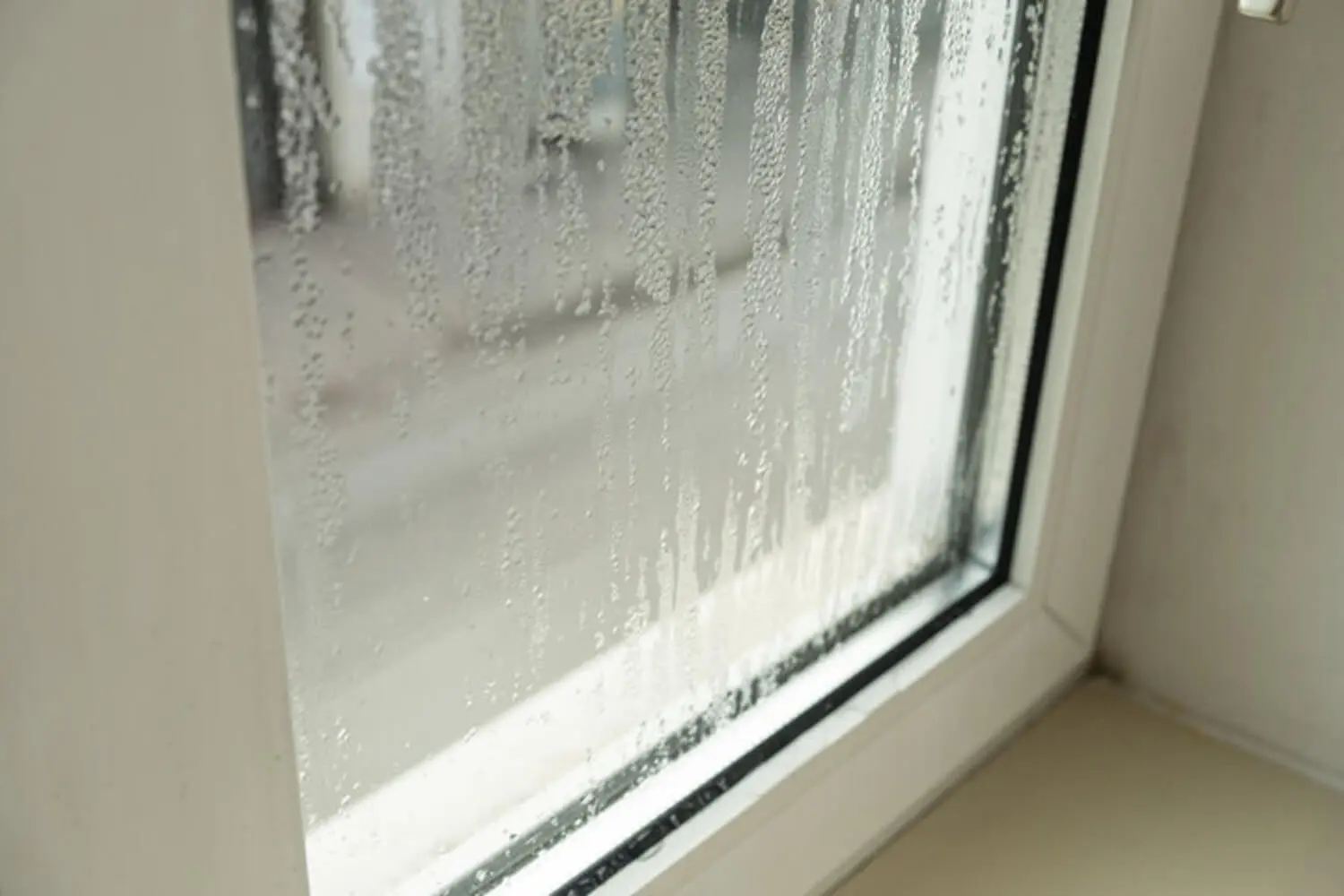
Water damage shows up as brown or yellow staining on walls and ceilings, soft or bubbling drywall from moisture intrusion, and surface-level mold or mildew on the wall face.
Each of these conditions adds cost in a different way:
- Staining requires a stain-blocking primer before topcoat. Standard primer will not prevent bleed-through, and without the right product, the stain will show through paint within weeks
- Soft or compromised drywall may need to be cut out and replaced entirely rather than patched, which adds significant labor
- Surface mold requires cleaning and treatment before any repair or primer work can begin
Water damage repairs are among the most variable line items in an estimate because the full extent of the damage is not always visible from the surface. Once work begins, the scope sometimes needs to be revised. A thorough upfront assessment matters more for water-damaged areas than for any other damage type.
Widespread Surface Deterioration
This is a different category from isolated damage. Widespread deterioration refers to walls where the overall surface condition is poor across most or all of a room:
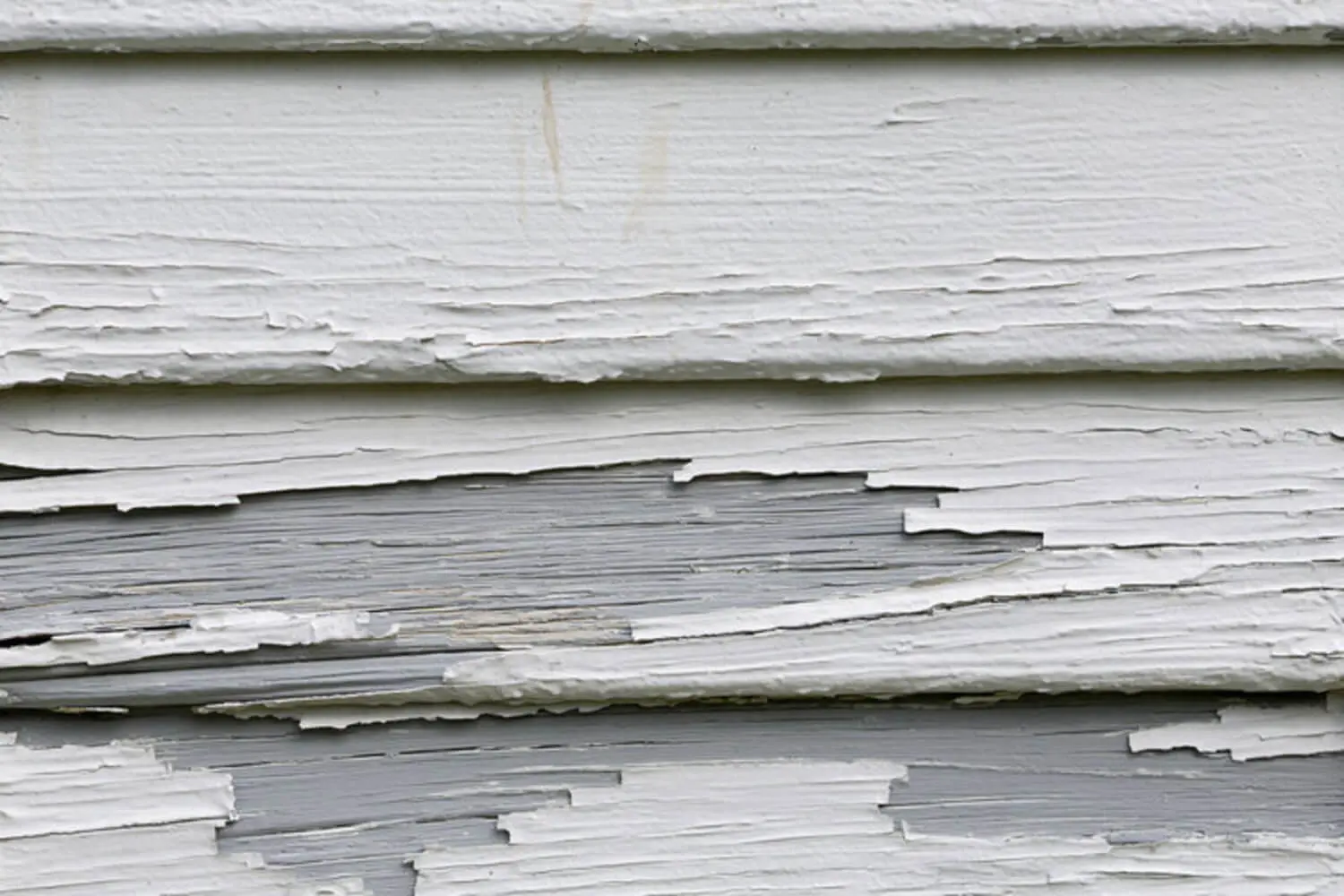
- Old paint that is peeling, flaking, or chalking
- Multiple paint layers built up unevenly over decades
- Surfaces that were painted over without proper prep in previous projects, leaving a compromised bond
When deterioration is widespread, spot patching is not enough. The entire surface needs to be skim coated or fully prepared before paint can be applied. This is the most labor-intensive prep scenario and the one most likely to produce a significantly higher estimate than a homeowner expects when they walk in thinking the room just needs a fresh coat.
This situation is common in older homes and in rooms that have been repainted several times without proper surface prep between coats.
How Wall Damage Affects the Cost of an Interior Painting Project
When damage is present, three cost components shift. Understanding each one separately makes it easier to evaluate what you are being charged for.
Labor Is the Primary Cost Driver
Surface preparation is skilled labor. A painter who patches holes, re-tapes seams, skim coats deteriorated walls, and texture-matches repairs is performing work that takes training, experience, and time.
Labor scales directly with complexity:
- A small patch takes thirty minutes
- A failed tape seam that needs to be fully re-taped takes several hours
- A room requiring skim coating across three walls takes most of a day before a brush touches the surface
In a detailed estimate, labor for surface preparation is typically itemized separately from painting labor. This is what allows the homeowner to see exactly what the damage is costing them rather than having it buried in a single total.
Material Costs Based on Damage Scope
The materials involved in wall repair include:
- Joint compound for patching and skim coating
- Mesh or paper tape for seam repairs
- Stain-blocking primer for water damage and staining
- Texture materials for matching existing wall surfaces
- Drywall panels and fasteners for sections that require replacement
Material costs are generally the smaller portion of the total compared to labor, but they scale with scope. A room requiring multiple buckets of compound and specialty primer costs meaningfully more in materials than a room with a handful of nail holes.
Material quality also matters. Shortcuts on materials produce repairs that fail or show through paint within months. The right compound, the right primer, the right texture product for the surface condition — these choices are reflected in how long the finished work holds.
How Repair Work Affects the Project Schedule
Drywall repairs require drying time between compound coats. That is not a labor consideration — it is a calendar consideration. Work cannot proceed until each coat is fully dry, which means significant repairs add days to a project, not just hours.
A project with substantial wall repairs may run two to three days longer than a comparable project on undamaged walls. That is not a red flag. It reflects the time required to do the work correctly. A contractor who accounts for drying time in the project schedule is building in the reality of the repair process, not padding the timeline.
This distinction matters when planning: labor covers what the skilled work costs, timeline covers when the project will be complete. Both are affected by damage, but in different ways.
What to Expect in an Estimate When Wall Damage Is Present
A professional estimate on a project with wall damage should look different from a standard painting quote. Here is what to look for:
- Prep work itemized separately from painting labor and materials
- Repair work broken down by type or location so you can see what is being addressed
- Primer specified for the surface condition, not just listed generically
- A project timeline that accounts for drying time between repair stages
A flat-rate estimate that covers everything in a single number creates real risk when damage is present. Without itemization, you cannot verify what is being repaired, how thoroughly, or at what cost. You also cannot make an accurate comparison between contractors when the line items are not visible.
Unscoped damage is the most common source of mid-project cost surprises. A contractor who identifies and prices all necessary repairs before work begins is protecting you from a revised estimate halfway through the job. A number that looks lower on paper but does not account for what the walls actually need is not a better deal — it is a deferred problem.
An Accurate Estimate Starts with an Honest Assessment of Your Walls
After reading this, you have the context to evaluate an interior painting estimate, ask the right questions, and have a more informed conversation with any contractor you bring in. That is what understanding the relationship between wall condition and cost actually delivers.
General cost ranges give you a starting point, but the number that matters is the one that reflects the specific condition of your walls. The only way to get that number accurately is through an in-person assessment by a professional who walks the rooms and looks at what is actually there.
Integrity in Blue provides detailed estimates that account for wall condition, required repairs, and surface preparation before any work begins. If you are in Brownsburg or the surrounding Indianapolis area and want to know exactly what your interior painting project will involve and why, reach out today to schedule your on-site estimate.