When Is the Best Time for Exterior House Painting in Brownsburg, IN
Timing an exterior painting project in the Brownsburg area takes more thought than most homeowners expect. The question is not just when you want it done. It is when the weather will actually allow it to be done correctly.
Indianapolis-area conditions are more variable than the calendar suggests. The window for exterior painting is real, but it is narrower than it looks, and painting outside of it does not just cause delays. It causes failures that show up months later and are expensive to fix.
This blog walks through how local weather patterns affect exterior painting schedules, what conditions paint requires to apply and cure correctly, and what to expect when planning a professional repaint in the Brownsburg area.
Why Weather Conditions Determine When Exterior Painting Can Begin
Exterior paint is not just a coating applied to a surface. It is a chemical process. The paint bonds to the substrate as it cures, and that process requires specific conditions to work correctly. Temperature, humidity, and surface moisture all affect the quality of the bond — not just how the paint looks when the crew wraps up for the day.
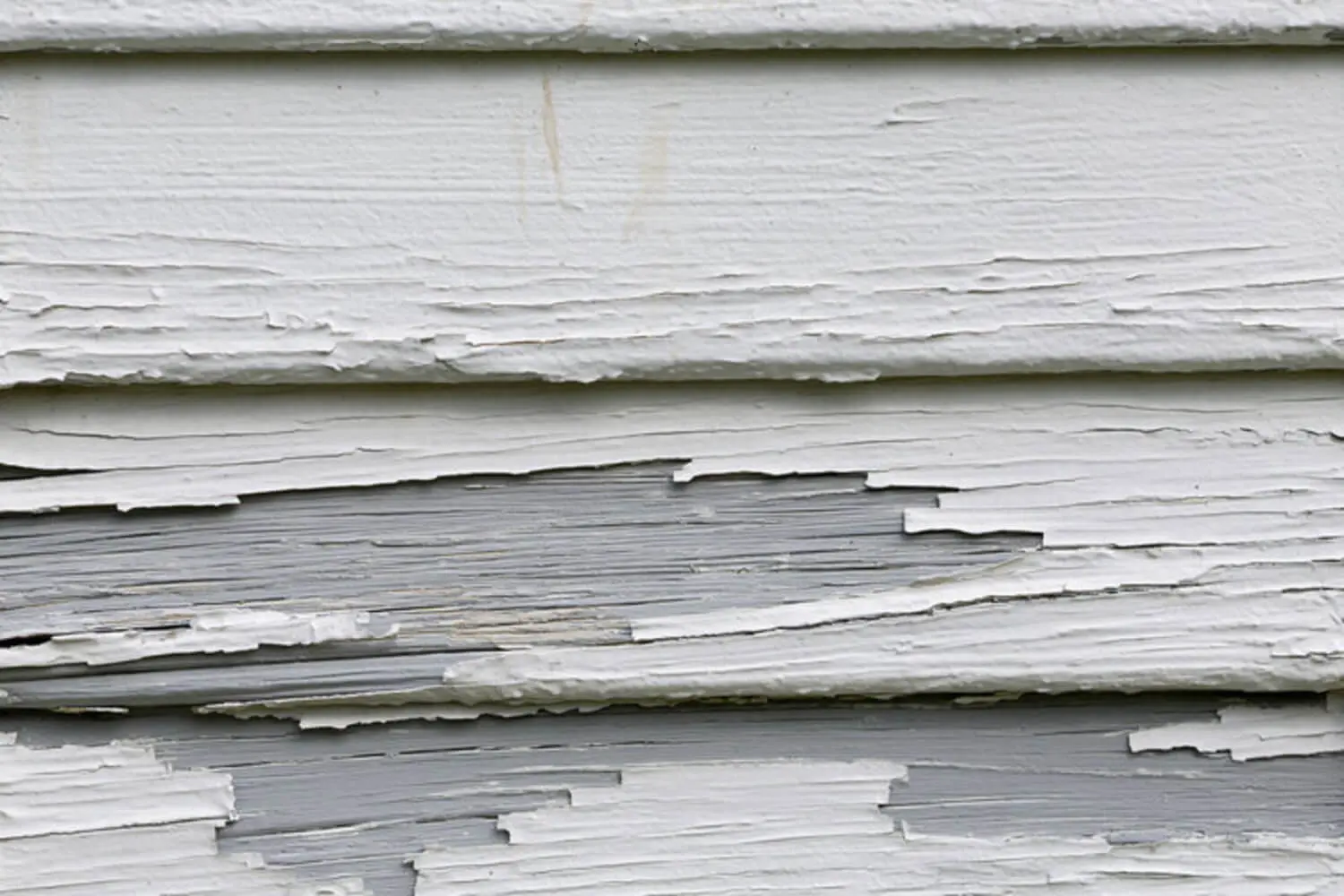
When those conditions are not met, the failures are not always immediate. A paint job applied in marginal conditions can look acceptable for weeks or even months before the problems become visible. Blistering, peeling, and adhesion failure that appear the following spring often trace back to the conditions on the day the paint went on — not a defect in the product or a shortcut in the workmanship. By the time the failure is apparent, the cause is difficult to prove and the fix involves stripping and repainting the affected surfaces.
This is what makes weather a technical requirement for exterior painting rather than a scheduling preference. Getting it right means understanding what conditions paint actually needs — and planning around them.
How Indianapolis-Area Seasons Affect Exterior Painting Schedules
Not every season in central Indiana is equally viable for exterior painting. Here is what each one typically offers.
Spring: Promising but Unpredictable
Spring is when most homeowners start thinking about exterior painting. Temperatures begin climbing into the acceptable range by mid-to-late April in most years, and the motivation to get started after a long winter is high.
The problem is consistency. Spring in the Indianapolis area brings:
- Frequent rain through April and May that interrupts project starts and creates surface moisture issues
- Wide temperature swings between afternoon highs and overnight lows, which affect how paint cures between coats
- Short windows of consecutive dry, temperate days that can close without warning
A project that starts in favorable mid-May conditions can be interrupted by a cold snap or several days of rain within the same week. Spring is viable, but it requires flexibility and a contractor who is monitoring conditions closely.
Spring also brings a surge in booking demand. Homeowners who planned over the winter all reach out in April and May. Lead times stretch quickly, and contractors who were available in March often find their schedules full by May. Homeowners who wait until spring to schedule frequently find their start date has shifted to June or July anyway.
Summer: The Peak Season with Caveats
June through August is peak exterior painting season in the Indianapolis area. It offers the longest stretch of consistently warm, dry days in the calendar year, and most residential exterior projects are completed during this window.
The caveats are real, though. In July and August:
- Air temperatures regularly exceed 90 degrees
- South and west-facing walls absorb enough direct sun to push surface temperatures significantly higher than air temperature
- Afternoon thunderstorms are common and can require surfaces to dry before work can resume the next morning
Professional painters manage around these conditions by working earlier in the day, following the shade on hot afternoons, and scheduling specific elevations at the time of day when they are out of direct sun. Homeowners should expect that a summer project spanning three days of labor may occupy a week or more on the calendar once heat delays and afternoon storms are factored in.
Fall: A Strong Window That Closes Quickly
September and October are arguably the most favorable months for exterior painting in the Brownsburg area. The combination of:
- Moderate, stable temperatures consistently in the acceptable range
- Lower humidity than spring and summer
- Less frequent rain than the earlier part of the season
makes fall a window that experienced painters work hard to fill.
The limitation is how fast it closes. Temperatures in the Indianapolis area can drop below painting thresholds by late October and are reliably too low by mid-November. A project pushed to late October risks hitting conditions that force a stop before the work is complete or before the paint has had adequate time to cure before the first hard frost.
Because fall conditions are favorable and the window is known to be short, contractor availability fills up fast. Homeowners planning a fall project are best served by scheduling in late summer to secure dates in September or early October.
Winter: Why Most Exterior Projects Pause
From late November through March, temperatures in the Brownsburg area are consistently below the minimum threshold for standard exterior paint products. Freezing temperatures prevent paint from curing and can cause the paint film to crack or delaminate as the surface contracts.
There are limited exceptions — some specialty coatings and substrates can be applied in cold weather conditions — but these are not the norm for residential exterior repaints. Most professional painters simply do not schedule standard exterior projects during winter months.
What winter is well-suited for:
- Getting estimates and walking the exterior with a contractor
- Selecting colors and finalizing scope
- Booking early to secure spring or fall dates before demand peaks
Homeowners who use winter to plan ahead consistently get better contractor availability and earlier start dates in the prime painting seasons than those who wait until April to make their first call.
The Specific Conditions Paint Needs to Apply and Cure Correctly
Regardless of season, three weather variables determine whether conditions are acceptable for exterior painting on any given day.
Temperature Ranges That Work and Ranges That Don’t
Most exterior paint products require air and surface temperatures to stay above 50 degrees Fahrenheit during application and for several hours afterward. Some newer formulations push that floor down slightly, but 50 degrees remains the practical minimum for most standard residential products.
The upper end matters as much as the lower end. Above 90 degrees — or when surface temperatures on sun-exposed walls exceed that threshold — paint dries too fast. The film does not have time to level and bond properly before it skins over, which produces:
- Lap marks where wet paint meets dried paint
- Brush and roller marks that do not self-level
- Reduced adhesion across the painted surface
Overnight temperatures matter as well. Daytime conditions can be fully acceptable while overnight temperatures drop below 35 to 40 degrees. Because paint curing continues for hours after application, a project should not proceed if a cold overnight is expected before the paint has had adequate time to cure. The crew finishing at 4 PM is not the end of the curing process.
Humidity and Moisture on the Surface
High relative humidity slows the evaporation of water from water-based paint. Above approximately 85 percent humidity, paint dries more slowly and the film becomes more susceptible to:
- Sagging on vertical surfaces
- Runs in areas of heavier application
- Uneven texture as sections of the film dry at different rates
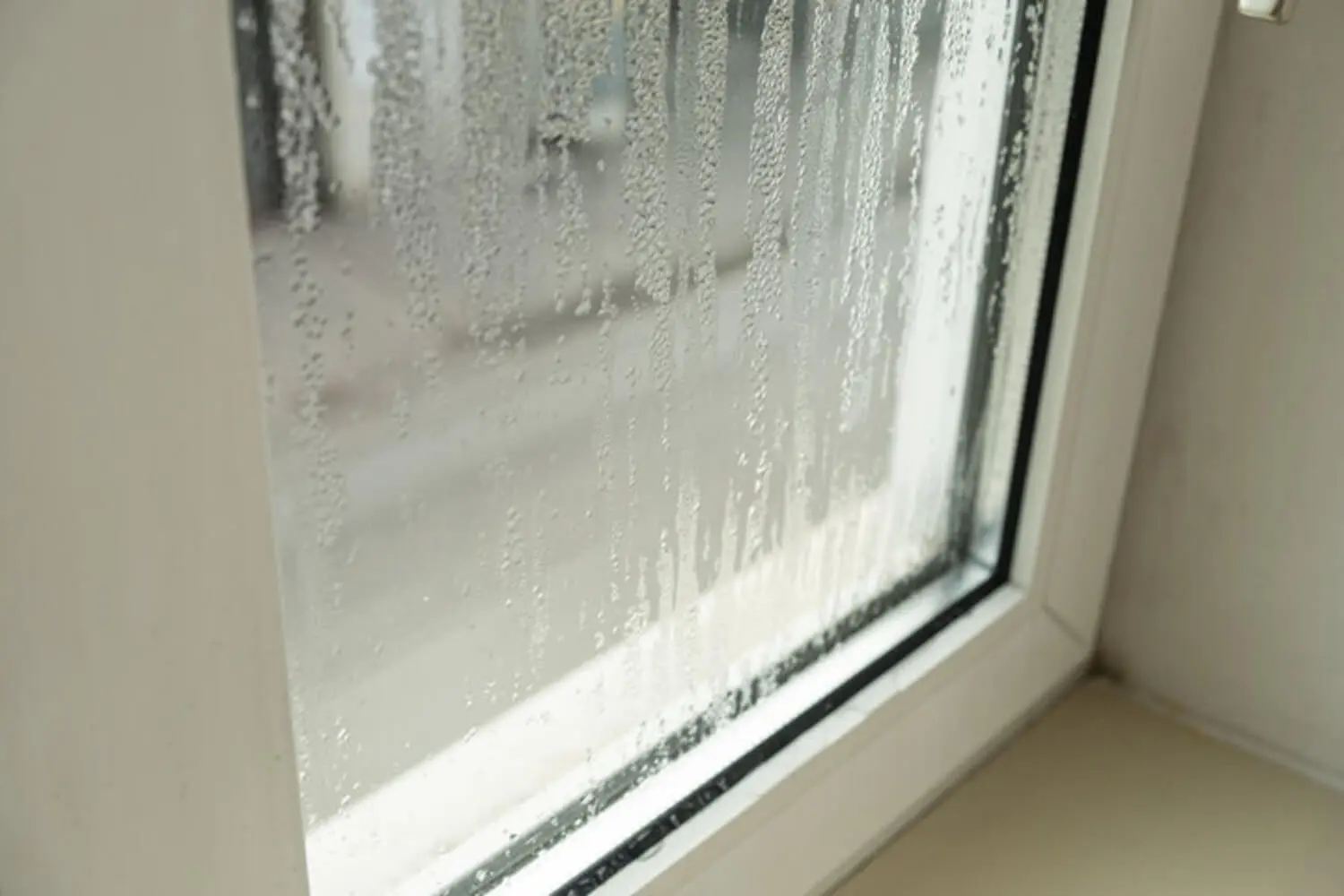
Surface moisture is a separate issue from ambient humidity. A surface that is damp from overnight dew, recent rain, or morning condensation cannot be painted even if the humidity reading looks acceptable. Moisture trapped under the paint film causes blistering as it forces its way out during curing.
Surfaces need several hours of sun and air exposure after rain or heavy dew before painting can begin. In the Indianapolis area, spring mornings frequently involve residual surface moisture from cool overnight temperatures. Professional painters account for this by starting later in the morning on those days, which affects how much gets done in a given workday and how the overall project timeline stretches out.
Wind, Direct Sun, and Surface Temperature
Moderate wind can help in high-humidity conditions by accelerating drying. But in dry or hot conditions, it works against the paint by causing the surface to skin over before it has leveled, and by carrying debris that sticks to the wet film. Strong wind creates additional problems for spray-applied coatings, including overspray drift and uneven coverage.
Direct sun on a hot day raises surface temperatures well above air temperature. A wall facing south or west on a 90-degree afternoon can have a surface temperature 20 to 30 degrees higher than what the thermometer reads. Paint applied to a surface that hot dries almost on contact, preventing proper adhesion before the film can bond to the substrate.
Experienced painters manage this by following the shade throughout the day and sequencing the painting of different elevations based on sun exposure at the time of work. A day that looks acceptable on a weather app can still produce problem conditions on a south-facing wall at 2 in the afternoon. Reading those conditions in the field is part of what professional exterior painting requires.
What to Expect When Scheduling Exterior Painting in the Indianapolis Area
Understanding the seasonal and weather picture helps set realistic expectations for the scheduling process.
Lead times in peak season are longer than most homeowners anticipate. Contractors who have availability in March may be fully booked by May. Homeowners reaching out in April hoping for a May start frequently find that the first open dates are in June or July. The acceptable weather window is finite, demand is concentrated within it, and experienced contractors fill their schedules accordingly.
Weather delays are a normal part of exterior painting projects, not an exception. A project scoped for three days of labor will almost never complete in three consecutive calendar days. Depending on the season and the specific weather during that period, the same project may require a week or two on the calendar once rain delays, morning moisture, and heat days are accounted for. This is not a sign that something has gone wrong. It is how exterior painting in this climate actually works.
Professional painters in this region manage these variables by:
- Monitoring forecasts several days out rather than day by day
- Adjusting start times based on overnight temperatures and morning surface conditions
- Communicating proactively when delays are expected rather than showing up and making decisions on the spot
A contractor who keeps the homeowner informed about weather-driven adjustments is running the project correctly. Homeowners who build flexibility into their availability — a two-week window rather than a locked start date — work more effectively with the process and are less likely to push a crew into marginal conditions.
The Best Window for Exterior Painting in Brownsburg
The viable exterior painting window in the Brownsburg and Indianapolis area runs from roughly late May through mid-October. Within that range, the strongest conditions are found in:
- Late May through June — temperatures are rising, humidity is manageable, and afternoon storms are less frequent than midsummer
- September through mid-October — temperatures are stable, humidity drops, and rain events are less frequent than earlier in the season
Midsummer is workable but requires the most active management of heat, surface temperature, and afternoon storm activity. It is peak season because the days are long and consistently warm, not because the conditions are always easy.
The best time is not a fixed month. It is the combination of favorable weather, contractor availability, and a homeowner who is ready to move. The homeowners who get the best outcomes plan before the season starts, book early, and stay flexible on exact dates rather than holding out for a specific week.
Integrity in Blue works with homeowners in Brownsburg and the surrounding Indianapolis area to schedule exterior painting projects around the season and the specific conditions of their home. If you are planning an exterior repaint and want to understand what timing makes sense for your project, reach out today to schedule an estimate.