Why Exterior Paint Fails on Historic Homes in Zionsville
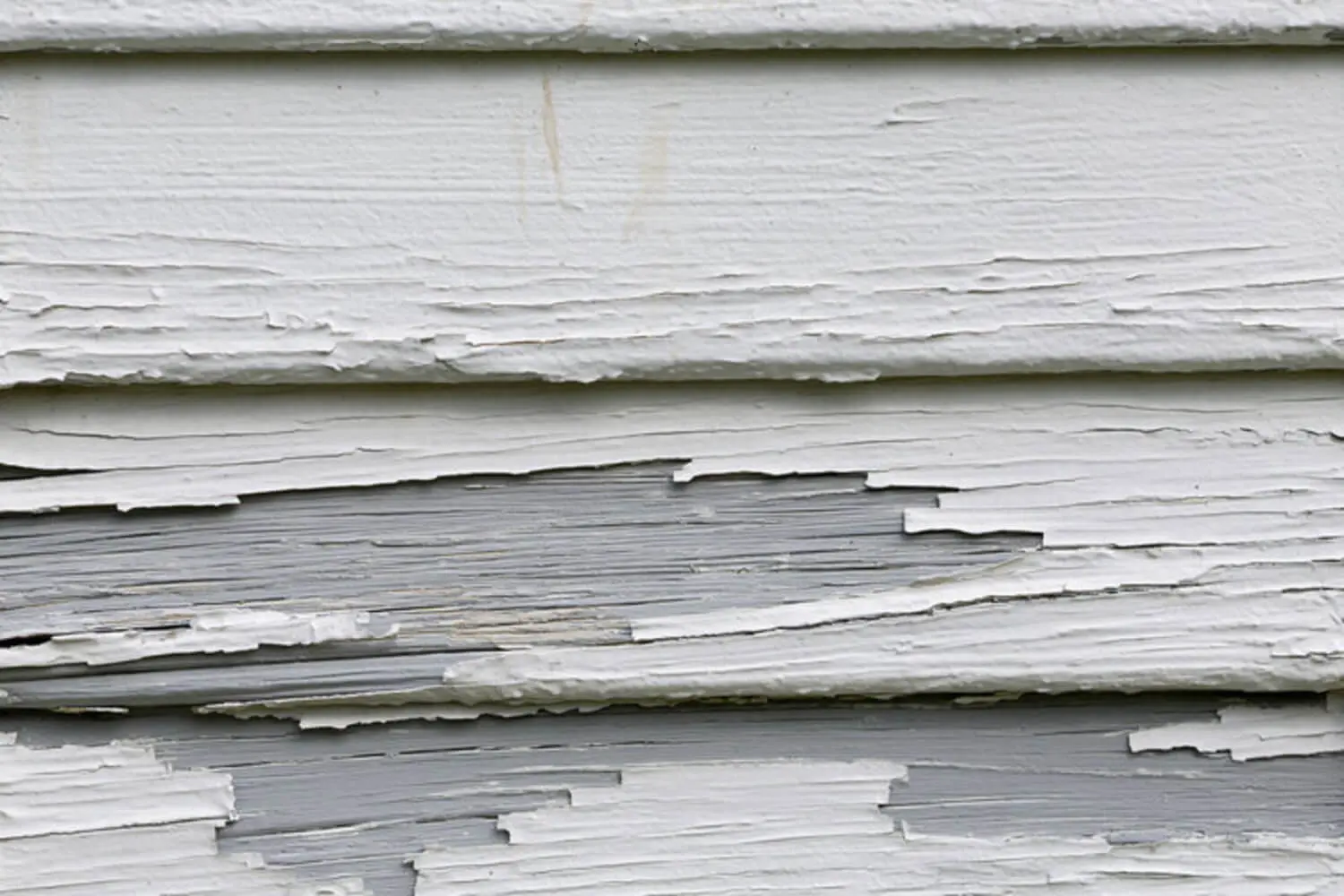
Homeowners in Zionsville with historic properties know the pattern. A new exterior paint job looks excellent on day one. Within two or three years, the paint starts peeling around the windows. Blisters appear on the south-facing siding. The paint along the trim junctions lifts and cracks. Another repaint gets scheduled. The cycle repeats.
This is not a painting problem. It is not a product problem. The paint is failing because the structure beneath it creates conditions that cause failure — and those conditions exist in the building itself, not in the can.
Understanding what drives exterior paint failure on historic homes explains why the last job failed and what has to change before the next one can succeed.
Historic Homes Are Built Differently — and That Changes How Paint Behaves
A historic home is not simply an old version of a modern home. It was built with different materials, different construction methods, and different assumptions about how a building envelope handles moisture. Those differences remain present in the structure today. They affect every coat of paint applied to the exterior.
Two differences matter most for exterior coatings.
The first is the material. Historic homes in Zionsville — Victorian, Queen Anne, Craftsman, and early Colonial Revival construction from the 1870s through the 1930s — were built with old-growth wood. Old-growth lumber is denser and more dimensionally stable than modern engineered siding. But it has a slower relationship with moisture. It absorbs slowly and releases slowly. Moisture that enters old-growth wood stays there longer than it would in modern materials.
The second is the construction method. Modern homes include moisture management systems — house wraps, vapor barriers, and ventilated wall cavities — that move water away from the wall assembly. Historic homes were built without these systems. The wall assembly runs continuously from the interior surface to the exterior siding. Moisture moves through it in both directions.
These are not defects. They are characteristics of how the building was made. But they create specific conditions that affect every paint job on the exterior, and understanding them is what makes the failure patterns on these homes make sense.
How Decades of Paint Layers Create a Surface That Is Already Failing
A historic home that has seen regular maintenance carries multiple generations of paint. Each additional coat contributes to a compounding problem that eventually causes failure regardless of what new product goes on top.
Why Paint Film Thickness Eventually Becomes the Problem
Each coat adds thickness to the accumulated film. As that film grows thicker over decades, it loses the ability to flex with the substrate beneath it. Wood expands and contracts with seasonal humidity and temperature changes. A thin paint film moves with that expansion. A thick, rigid film cracks under the same stress.
When accumulated paint reaches approximately 1/16 of an inch — roughly 16 to 30 layers depending on coat thickness — the film becomes brittle enough that a single additional coat can trigger widespread cracking and peeling. The new paint does not fail because of poor application. It fails because the surface reached a breaking point before the new coat ever went on.
Alligatoring is the most visible sign of this condition. The cracked, scale-like pattern that covers the surface is not a product failure or a workmanship problem. It is a substrate condition. No paint product resolves it without addressing the accumulated film beneath.
The Incompatibility Between Old Oil-Based Coatings and Modern Latex
For most of their history, historic homes received oil-based paint. Oil-based coatings cure to a hard, relatively inflexible film. Modern latex paint is water-based and cures to a more flexible film that expands and contracts differently under temperature stress.
Latex applied over oil does not bond to the underlying film the way it bonds to a compatible surface. As the latex layer cycles through seasonal expansion and contraction, it pulls against the oil layer beneath it. That interface becomes the weak point. Peeling starts there — not at the surface, not at the substrate, but at the bond between incompatible chemistries.
The failure does not appear immediately. A paint job that looks fine in its first year may begin lifting along the latex-to-oil interface by the second or third year. That delayed appearance is why the failure seems to arrive without warning.
How Moisture Gets Into Historic Walls and Why It Cannot Get Out
Moisture drives more exterior paint failure on historic homes than any other single factor. The two mechanisms below operate at the same time. They reinforce each other and create conditions that modern construction does not produce in the same way.
Why Historic Wood Absorbs and Releases Moisture Differently
Old-growth lumber has a tighter grain structure than modern dimensional lumber. That density slows moisture absorption — but it also slows release. When moisture enters old-growth wood siding through rain, humidity, or condensation, it stays in the wood longer than it would in modern engineered siding.
Paint applied over wood that has not fully dried traps remaining moisture beneath the film. As the wood eventually dries and pushes that moisture outward, the vapor pressure works through the paint film and creates blisters. Once blisters break, the film is compromised and peeling follows. The same process that causes bubbling paint on exterior surfaces operates continuously on historic wood siding throughout the seasons.
The pattern is most visible in spring on Zionsville properties. Moisture accumulates in the wood through fall and winter. As temperatures rise and the wood begins drying in spring, the outward pressure drives blistering and lifting in the paint film above it.
The Interior-to-Exterior Moisture Path in Homes Built Without Vapor Barriers
Modern homes include a vapor barrier within the wall assembly. That layer stops interior moisture — from cooking, bathing, and normal occupant activity — from traveling through the wall and condensing inside the insulation or on the sheathing. Historic homes do not have this layer.
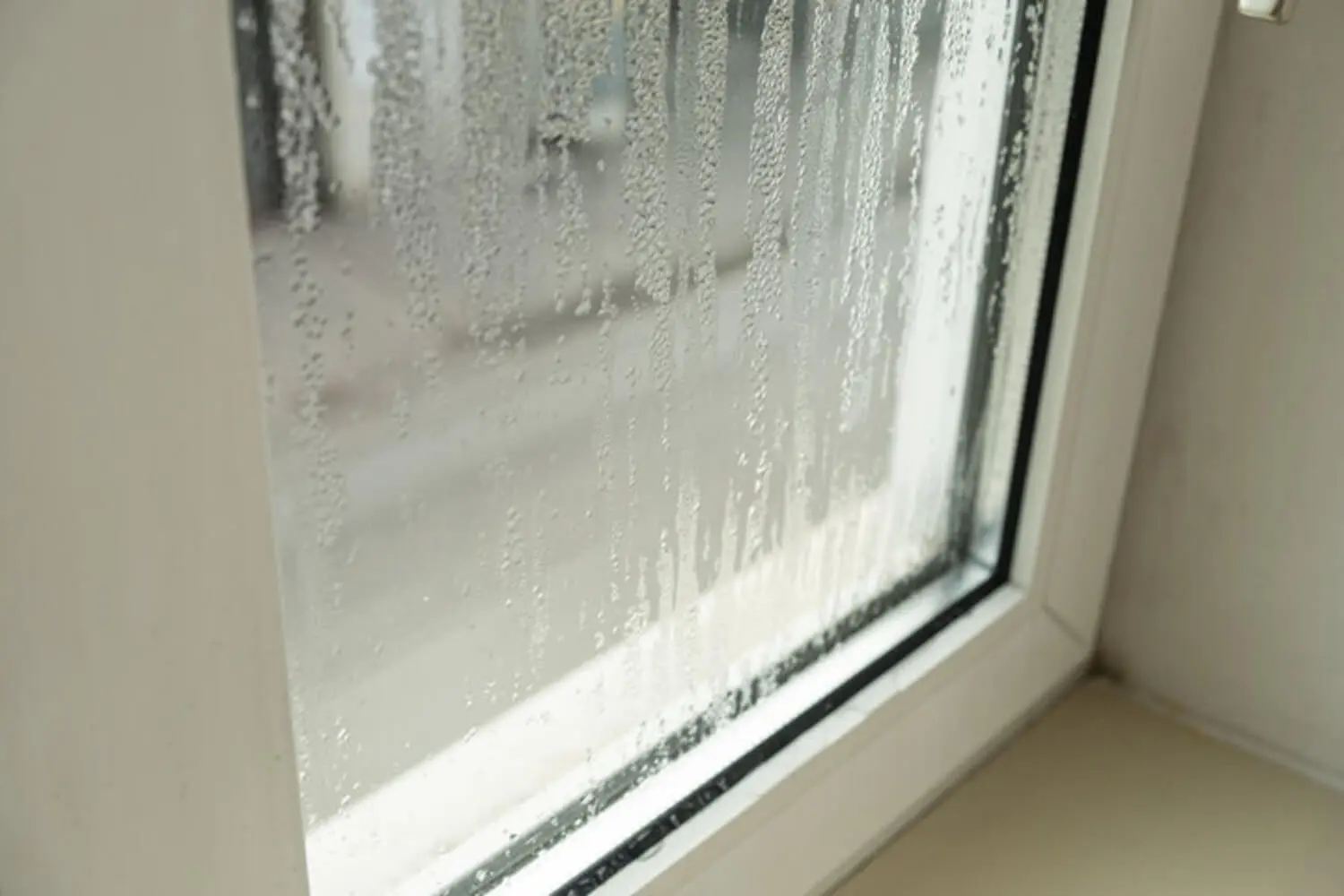
In a historic wall assembly, interior moisture vapor moves freely. It passes through the plaster, through the framing cavity, through the sheathing, and into the back of the exterior siding. In cold weather, that vapor can condense within the wall as it meets cooler temperatures. That condensed moisture has nowhere to go except outward through the siding, which pushes against the paint film from behind.
This is an invisible problem. A homeowner looking at peeling paint on a dry day with no recent rain is often looking at the result of interior moisture that traveled through the wall over the preceding weeks. Addressing the exterior surface alone does not address the source.
How Original Architectural Features Concentrate Moisture and Accelerate Failure
The mechanisms above affect the entire exterior of a historic home. But certain original architectural features concentrate moisture at specific locations and accelerate failure there before it appears elsewhere. These are the spots where paint fails first — not by coincidence, but because of how those features interact with water.
Original single-pane windows with wood sashes are among the most common failure points on Zionsville historic homes. The glazing compound that seals glass to sash dries out and cracks over time. Water infiltrates the sash directly through those cracks. The wood absorbs it. The paint film above blisters and peels. The cycle repeats with every rain event until the sash itself begins to rot.
Wood trim junctions concentrate moisture in a different way. Where window casings meet siding, where corner boards meet siding, where fascia meets soffit — these intersection points collect water rather than shedding it. Paint at these junctions faces standing moisture after every rain event. Adhesion failure accelerates at these locations faster than it does on open field surfaces where water drains away.
Porous masonry — brick foundations, stone accents, and older chimneys common on Zionsville historic properties — adds a third concentration point. Older masonry absorbs water readily. That moisture pushes against the paint film from below. Older mortar also carries an alkali content that chemically attacks the paint film’s bond at the substrate level. This is the masonry equivalent of the latex-over-oil incompatibility problem. A chemical condition at the substrate undermines adhesion from beneath, independent of how the paint was applied.
These features do not create moisture problems in isolation. They concentrate the same moisture already moving through the wall assembly into specific high-exposure locations. Failure appears to start at the windows and trim — but the same process is operating across the rest of the exterior at a slower rate.
What Zionsville’s Historic Housing Stock Brings to the Problem
Zionsville’s historic district holds a significant concentration of Victorian, Queen Anne, Craftsman, and early Colonial Revival homes built between the 1870s and the 1930s. These properties rank among the most architecturally detailed residential structures in the Indianapolis area. That architectural richness also makes them among the most demanding exteriors to repaint correctly.
The Victorian and Queen Anne homes that define much of Zionsville’s historic streetscape carry exactly the features most vulnerable to paint failure:
- Intricate wood trim with multiple profile changes
- Original single-pane windows with aging glazing compound
- Deep cornices and overhangs that trap moisture in sheltered areas
- Decorative wood siding profiles that hold water at their edges
Each of these elements adds a moisture concentration point to the exterior. More features mean more failure locations, and more failure locations mean more surface area working against the durability of any new paint job.
Coating history adds another layer of complexity unique to Zionsville’s historic stock. Properties that have changed hands multiple times carry accumulated painting decisions from successive owners. A new owner may not know what products went on in what sequence, whether previous repairs used compatible materials, or where the accumulated film is closest to the failure threshold. That unknown history is a risk factor before a single new coat goes on. Understanding how the condition of exterior surfaces shapes a painting project starts with knowing what you are actually working with.
Indiana’s climate compounds all of it. Humid summers, freeze-thaw cycles through winter and early spring, and significant seasonal temperature swings put consistent stress on exterior coatings. For historic homes in Zionsville whose wall assemblies move moisture in both directions, that climate creates a more demanding environment than the same paint would face on a newer home in the same neighborhood. The seasonal conditions that shape exterior painting schedules in this region apply to every home — but historic properties feel them more.
Paint Failure on Historic Homes Is a Structural Problem, Not a Surface One
Everything in this blog points to the same conclusion. Exterior paint failure on historic homes does not trace back to poor products or careless application. It traces back to structural conditions — accumulated film, coating incompatibility, moisture moving through the wall assembly, and architectural features that concentrate that moisture at specific points. Those conditions exist independent of what the new paint job looks like on day one.
A homeowner who understands this is in a fundamentally different position than one who does not. They understand that the surface is where the failure appears — not where it originates. A contractor who treats the surface without assessing the coating history, moisture conditions, and architectural vulnerability points is not addressing the actual problem. That assessment has to come first.
Repainting a historic home in Zionsville requires a contractor who knows how to work through these conditions before the first coat goes on. Integrity in Blue serves Zionsville and the surrounding Indianapolis area and understands what exterior painting on historic properties actually requires. Reach out today to schedule a consultation for your historic home exterior project.