How Often Should You Repaint a Home in Carmel?
Most Carmel homeowners ask about repainting after they notice something. The paint is fading. There is peeling around a window. The siding looks chalky in the afternoon light. The instinct is to look for a number — five years, ten years, some schedule to follow.
The honest answer is that the number depends on the home. Exterior paint is not just cosmetic. It is the primary barrier between the siding and Indiana’s weather. When that barrier fails, the damage moves from the paint into the substrate. Substrate repairs cost significantly more than a timely repaint. Understanding what actually drives the timeline is worth more than any fixed schedule.
What Actually Determines How Long Exterior Paint Lasts
Exterior paint longevity is the result of several interacting variables. The quality of the paint, the quality of the surface preparation, the siding material, the climate exposure, and the orientation of each wall all affect how long a coat holds. A paint job that lasts eight years on one home may last four years on a comparable home in the same neighborhood.
Surface preparation has a greater effect on longevity than product quality. Paint applied over chalking, inadequately cleaned, or unsound surfaces fails faster regardless of what product the contractor used. A premium coat over poor prep will not outlast a standard product over thorough prep.
Wall orientation matters too. South and west-facing walls receive more UV exposure and more direct weather impact. On the same home, those elevations may need attention years before the north and east-facing walls show any wear. Paint longevity is a range, not a date. The siding type, climate, prep quality, and orientation are what determine where a specific home falls within that range.
Repainting Timelines by Siding Type in Carmel
Siding material is the single most influential variable in repaint timing. Different materials absorb moisture differently, expand and contract at different rates, and hold paint differently. The intervals below reflect Indiana climate conditions and sit toward the shorter end of national ranges for that reason.
Wood Siding
Wood siding on Carmel homes typically requires repainting every 3 to 7 years. Homes with well-maintained surfaces and premium products can reach the longer end. Homes with deferred maintenance or original builder-grade paint land at the short end.
Wood absorbs and releases moisture with every weather cycle. Indiana’s combination of humid summers, freeze-thaw cycling through winter and spring, and significant annual precipitation puts constant stress on the paint film. That stress drives cracking, lifting, and blistering faster than in drier or more stable climates. Wood trim — window casings, corner boards, fascia, and soffits — typically needs attention before the siding field does. Trim cycles of 3 to 5 years are common on Carmel homes with wood siding.
Vinyl Siding
Most vinyl siding does not need repainting on a schedule. The factory-applied color runs through the surface layer of the material. The question for vinyl homeowners is not “when do I repaint” but “do I need to repaint at all.”
Uneven fading on south and west-facing elevations is the most common reason homeowners consider repainting vinyl. If the color no longer matches the trim, a repaint may make more sense than replacement.
One important caution: painting vinyl with a color darker than the original factory color creates a warping risk. Dark colors absorb more solar heat than vinyl is engineered to handle. Sherwin-Williams advises using VinylSafe-formulated colors or staying at or lighter than the original shade. Going darker without checking manufacturer guidelines can cause visible warping and may void the siding warranty.
Fiber Cement Siding
Fiber cement follows two very different repaint timelines depending on the finish. Factory-finished fiber cement — such as James Hardie ColorPlus products — carries a 15-year prorated warranty covering peeling, cracking, and chipping. Field-painted fiber cement, which arrives primed and gets painted on site, follows a cycle closer to 10 to 15 years under Indiana conditions.
Fiber cement does not absorb moisture the way wood does, but it expands and contracts with temperature changes. Failed caulk at joints, seams, and window interfaces is the most common early failure point. Caulk failure allows moisture behind the panels and can cause the substrate to swell and the paint to lift at the edges.
Brick and Masonry
Painted brick typically holds for 15 to 20 years, but Indiana’s freeze-thaw cycling puts more stress on painted masonry than milder climates do. Older brick absorbs more moisture and subjects the paint film to more internal pressure.
Painting brick is also a long-term commitment. Once painted, brick requires ongoing repainting because removing paint from masonry is difficult and can damage the surface. Homeowners considering painting unpainted brick for the first time should understand that the decision is essentially permanent.
What Indiana’s Climate Does to Those Timelines
Carmel sits in a climate that combines humid summers, significant precipitation, and meaningful freeze-thaw cycling. NWS 1991-2020 climate normals for Indianapolis show 43.63 inches of annual precipitation and 105.5 days per year with lows at or below freezing. That combination stresses exterior coatings year-round, not just in winter.
When moisture infiltrates a paint film and then freezes, it expands. Repeated cycling causes micro-cracking in the film and at caulk joints. The Indiana State Climate Office tracks freeze-thaw events at Indianapolis International Airport using days with 20 or more hours below freezing as the measure. That is a meaningful number of stress events across a typical Indiana winter.
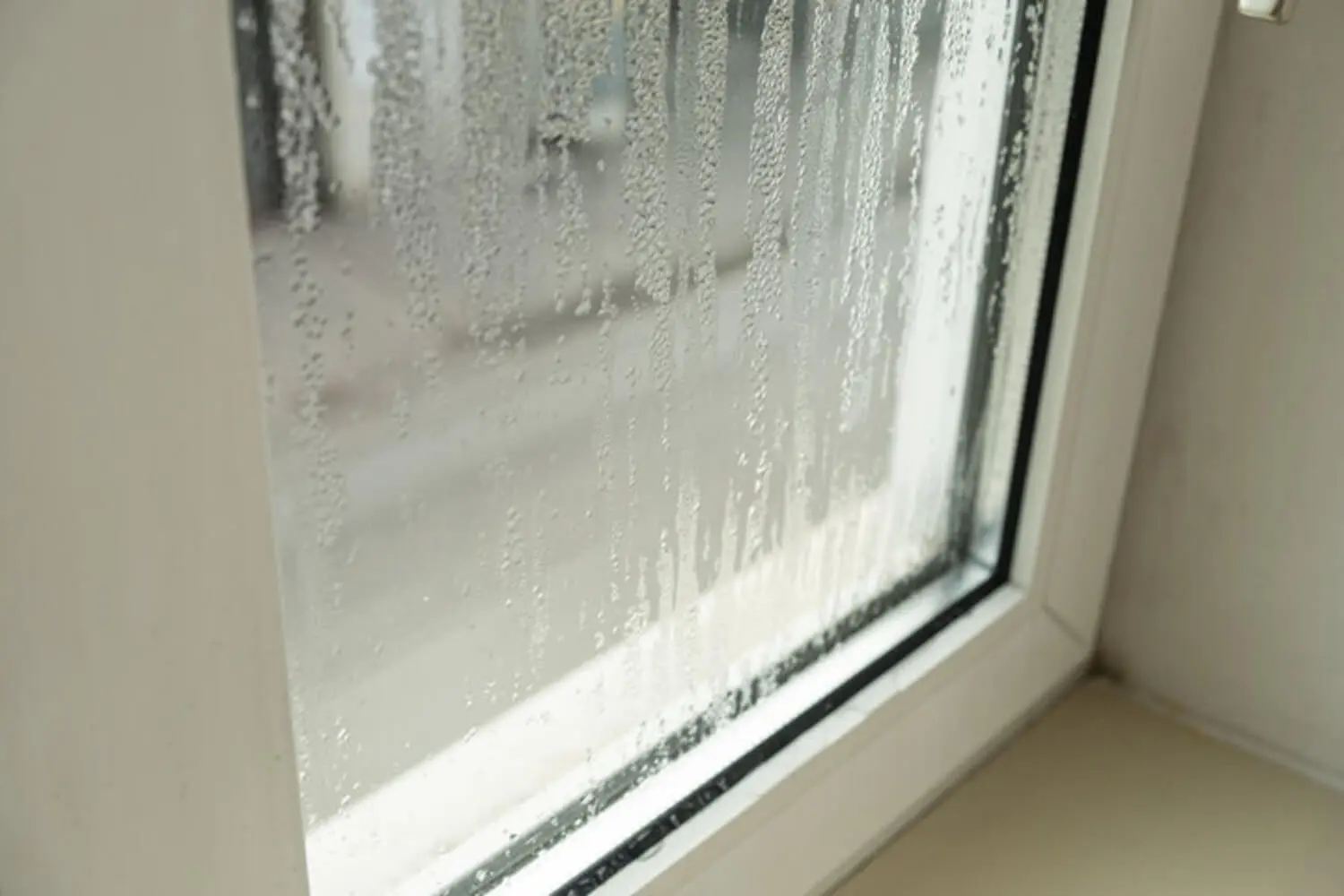
UV load through summer adds a second stressor. South and west-facing walls in Carmel see significant UV exposure that degrades the resin holding the pigment together. The result is chalking — a powdery surface residue that signals the film is breaking down. Chalking accelerates fading and reduces the film’s ability to protect the substrate. The same moisture conditions that accelerate chalking can also drive the kind of bubbling and blistering that appears on exterior surfaces when moisture works through a compromised film.
These conditions explain why Carmel homes land toward the shorter end of national repaint ranges. The same wood siding home that reaches 7 years in a dry southwestern climate is more likely to land in the 3 to 5 year range in Carmel.
Why Trim and Body Age on Different Schedules
Most homeowners think about repainting as a whole-house decision. In practice, trim and the siding field almost never reach the end of their cycle at the same time.
Trim sits at the intersection points of the exterior — where different materials meet, where water changes direction, and where end grain is exposed. Window casings, corner boards, fascia, and soffits collect water rather than shedding it. Paint at these locations faces more sustained moisture exposure than paint on open field surfaces.
Addressing trim failure before it reaches the siding field is substantially less expensive than a full repaint triggered by deferred maintenance. A home with failing trim but sound siding does not need a full exterior repaint. It needs targeted attention before the damage spreads.
The same logic applies across elevations. South and west-facing walls age faster on the same home. A home not yet due for a full repaint may have one or two elevations that need immediate attention. Recognizing that wear is uneven — and responding to it accordingly — is more cost-effective than defaulting to a full repaint on a fixed schedule.
What Carmel’s Housing Stock Means for Repaint Timing
A significant portion of Carmel’s residential housing stock dates from the 1990s and 2000s. Many of those homes are at or past their second exterior paint cycle. A home built in 1998 and painted in 2010 is likely due for repainting now regardless of what the paint looks like on a good day. Homeowners in Carmel who have not assessed the exterior in the last few years may be closer to that window than they realize.
Homes still carrying original builder-grade paint are operating on shorter cycles than homeowners may expect. Builder-grade exterior paint performs at the lower end of the durability range for its siding type. A wood siding home with original builder paint is likely closer to its repaint window than the construction date suggests.
Many Carmel neighborhoods also have HOA covenants governing exterior color. A homeowner planning a color change needs to factor approval into the timeline. Approval processes vary by neighborhood and can add weeks to the scheduling window. Starting color selection and approval before scheduling a contractor is the more efficient approach.
For homes in the 1990s-to-2000s construction window, caulk condition at windows and trim junctions, chalk levels on the siding field, and moisture checks at trim intersections reveal the true condition in ways a visual check from the driveway does not.
Necessary, Partial, or Cosmetic: Reading the Wear Patterns on Your Home
The wear patterns on the home determine whether what is needed is a full repaint, targeted work on specific surfaces, or a discretionary cosmetic repaint. Each carries different urgency and cost implications.
Signs of a Necessary Repaint
A necessary repaint is one where the paint film has failed to the point that the substrate is exposed or at risk. Delaying moves damage from paint into wood, which costs significantly more to repair.
Watch for:
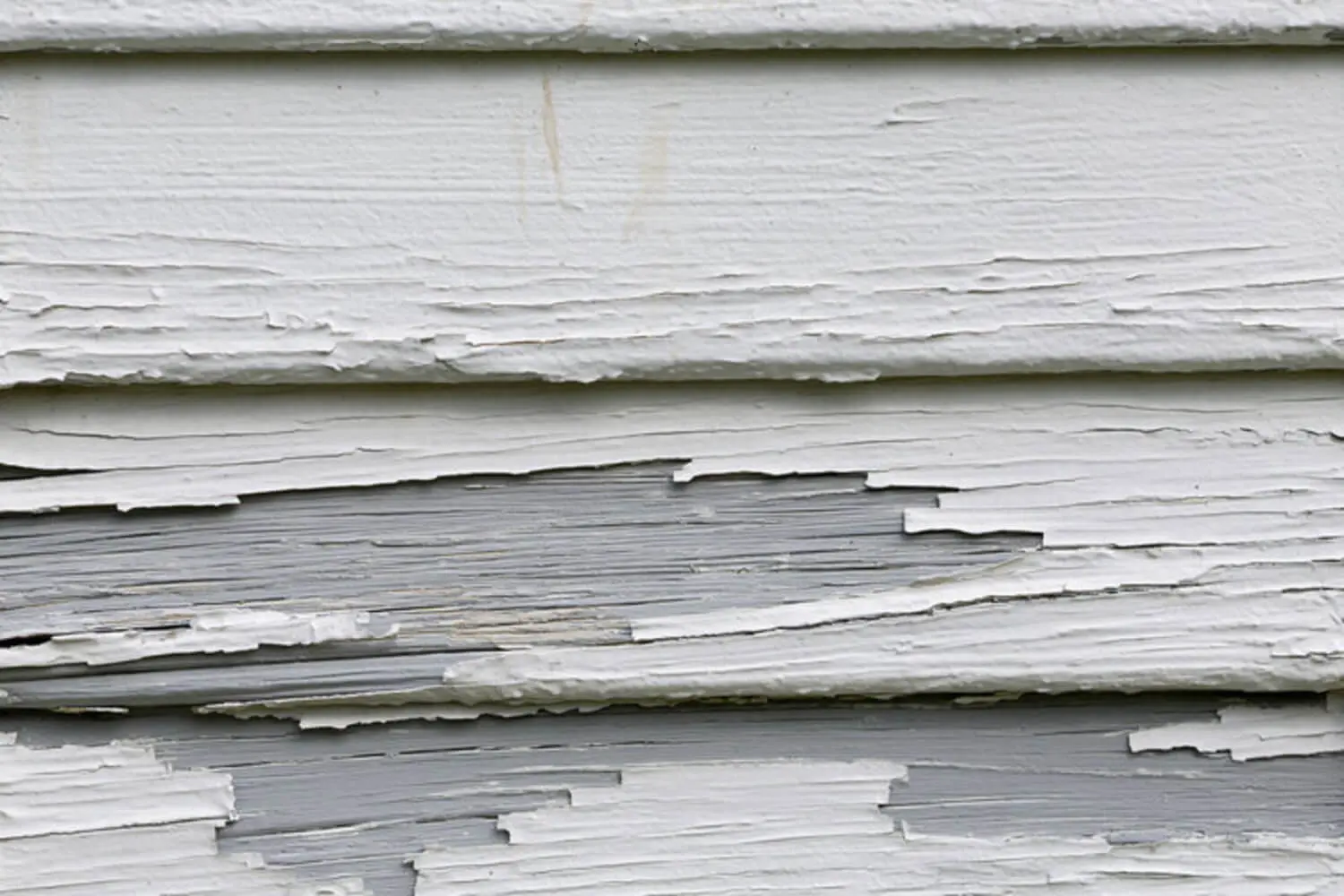
- Peeling that exposes bare wood or primer, particularly around windows and trim junctions
- Failed or missing caulk at windows, doors, and corner boards
- Soft wood beneath the paint surface when pressed, which signals moisture infiltration and early rot
- Widespread cracking in the film, particularly on south and west-facing elevations
- Widespread bubbling or blistering, which signals active moisture pressure from within or behind the siding
Necessary repaints should not wait for a convenient scheduling window. Every season of delay allows moisture to move deeper into the substrate. Understanding what drives exterior paint failure helps clarify why some of these signs demand a faster response than others.
Signs of a Partial Repaint
A partial repaint addresses specific elevations or surfaces that have failed ahead of the rest of the home.
Watch for:
- One or two elevations showing peeling or significant fading while the others remain sound
- Trim failure on a home where the siding field still performs
- A specific feature like a front door or garage door that has failed independently
- South or west-facing walls showing active chalking while north and east-facing walls remain intact
Catching partial failure early is almost always less expensive than letting it progress. A trim-only repaint on a Carmel home is a fraction of the cost of a full exterior repaint.
Signs of a Cosmetic Repaint
A cosmetic repaint addresses appearance rather than protection. The film still performs, but the homeowner wants a change.
Watch for:
- Even, uniform fading across all elevations with no peeling or substrate exposure
- Color that looks dated or no longer matches the homeowner’s preference
- Pre-sale preparation where a refresh would improve curb appeal
- An HOA notice where the current color falls outside the approved palette
If the paint is within two to three years of its expected end-of-life for the siding type and climate, combining the cosmetic refresh with a full repaint makes more economic sense than painting twice in quick succession.
The Answer Depends on Your Home, Not a Calendar
There is no universal answer to how often a home in Carmel should be repainted. The answer depends on the siding type, the climate exposure of each elevation, the quality of the previous job, and what the current wear patterns show. A homeowner who understands those variables can evaluate their own home’s condition — and make sense of what a contractor recommends when they walk the exterior.
An in-person assessment by a professional painter who checks caulk condition, chalk levels, substrate condition, and each elevation separately gives the most accurate picture of where a home actually stands. That assessment determines what kind of repaint makes sense — and whether now is the right time.
Integrity in Blue serves Carmel and the surrounding Indianapolis area. Reach out today to schedule an exterior assessment for your home.